Día de los Muertos - 20 Wishes & Greetings
Día de los Muertos, or Day of the Dead, is a profoundly meaningful Mexican holiday celebrated annually on November 1st and 2nd. Unlike the somber tone associated with mourning in many cultures, this holiday embraces life, memory, and connection. Families across Mexico—and increasingly around the world—come together to honor deceased loved ones through rituals that are at once colorful, reflective, and celebratory. The holiday blends indigenous traditions with Catholic observances of All Saints’ Day and All Souls’ Day, forming a unique cultural event that both memorializes the past and affirms the present. Central to the celebration are ofrendas, altars adorned with photos, candles, marigolds, favorite foods, drinks, and personal items of the departed, symbolically inviting their spirits back to visit for the occasion.
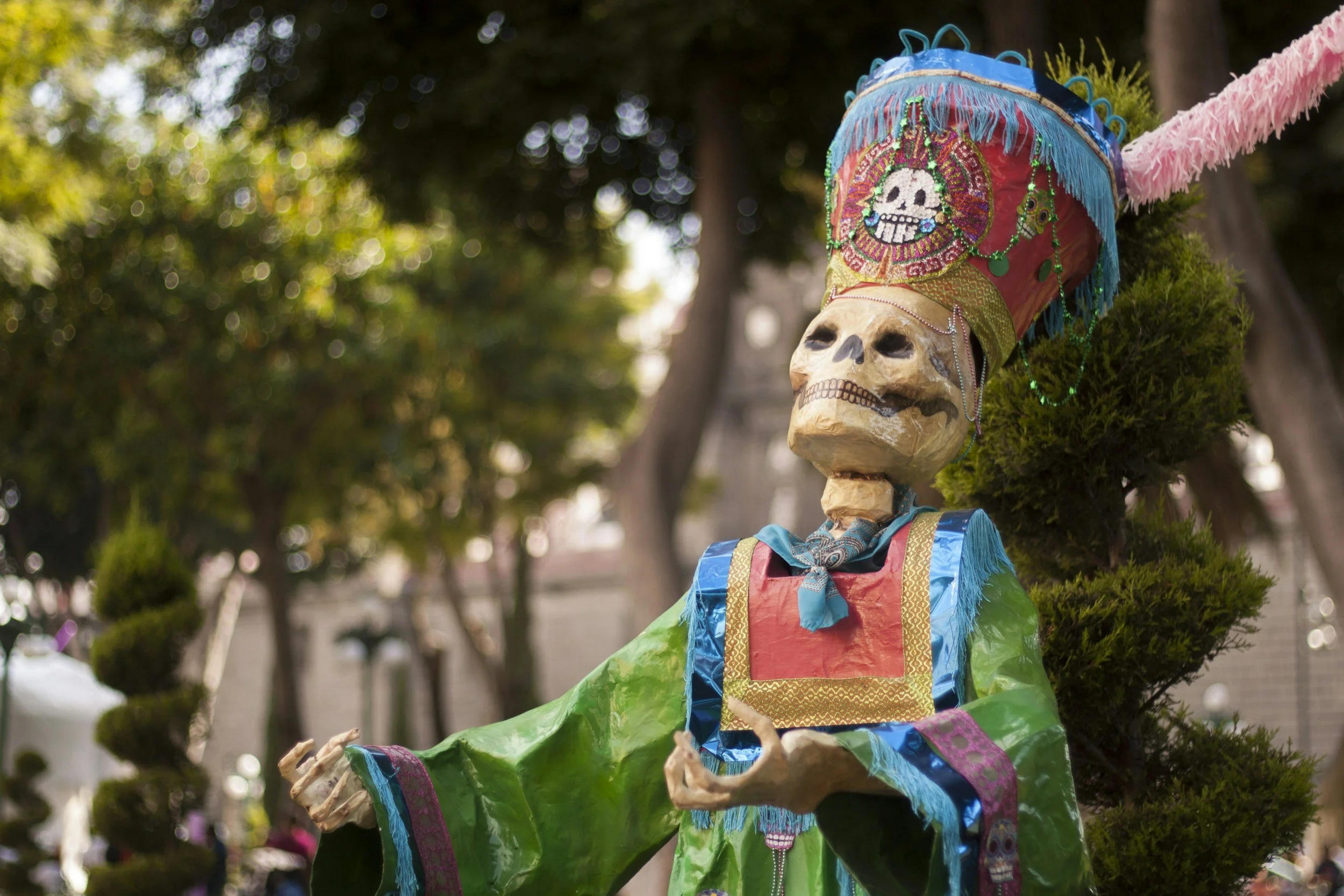
At its heart, Día de los Muertos is about communication and remembrance. Messages, wishes, and greetings are exchanged to celebrate the lives of those who have passed while strengthening bonds among the living. These expressions can be both deeply personal and playfully uplifting, often invoking stories, humor, and the cherished memories of shared experiences. Here is an extensive collection of 20 categories of wishes, greetings, and messages suitable for Día de los Muertos:
General Wishes for All Loved Ones:
May the spirits of your ancestors bring warmth and light to your heart this Día de los Muertos.
Sending love and reflection to your family as you honor those who have passed.
Remembering loved ones with joy and gratitude on this sacred holiday.
May your ofrendas overflow with cherished memories, marigolds, and candlelight.
Honoring the lives of those who shaped our journeys and left enduring legacies.
Messages for Family Members:
6. To my dear grandparents, thank you for guiding me even from afar; your memory lives brightly this Día de los Muertos.
7. Celebrating the love of our parents and uncles who left a mark on our hearts forever.
8. Wishing my siblings joy as we remember family members who watch over us from above.
9. May our family altars remind us of our shared history and the laughter of those no longer here.
10. Sending peace to every corner of our home as we honor the spirits of our ancestors.
Messages for Friends:
11. Friends, let’s raise a toast to the ones we’ve lost, sharing stories that keep their spirit alive.
12. May the memories of our departed friends bring comfort and warmth to your heart today.
13. Remembering our old adventures and laughter, even as we honor those who have passed.
14. Wishing you a Día de los Muertos full of recollections, smiles, and heartfelt nostalgia.
15. May we celebrate friendship across time, keeping alive the stories of those who inspired us.
Playful or Optimistic Wishes:
16. Even in the afterlife, may our loved ones chuckle at our antics and join the party!
17. Lighting candles and sugar skulls for those who would have loved the humor in today’s celebrations.
18. May your day be as colorful as a papel picado banner and as bright as marigolds in full bloom.
19. Remembering that death is just a pause in the story; celebrate life, love, and laughter.
20. Sending cheerful thoughts across worlds to remind spirits we carry their stories with smiles.
Extended Greetings and Messages:
For coworkers or professional contexts, greetings often combine respect with warmth:
“Wishing a reflective and peaceful Día de los Muertos to you and your family. May your celebrations honor the memories of those who shaped your journey.”
“May this holiday bring a reminder of life’s beautiful cycles and the legacy of those who inspire us every day.”
Messages for children or younger relatives often lean playful and accessible:
“Remember the loved ones we cannot see, but who always watch with love and happiness.”
“Celebrate the stories, giggles, and fun memories from those we keep in our hearts forever.”
Personalized or handwritten notes may include anecdotes, favorite foods, or references to beloved traits of deceased family or friends. For example:
“Grandma loved chocolate and marigolds. Today, we place both on the altar to feel her presence and remember her warmth.”
“Uncle José’s guitar playing filled our home. Tonight, the music plays again in our hearts, celebrating his spirit.”
In digital contexts, sending messages via social media or email can also reinforce connections:
“Lighting a virtual candle in memory of your loved ones, celebrating life, love, and laughter.”
“Sharing memories today to remind everyone that our stories continue through those who remember us.”
History and Significance:
Día de los Muertos has origins in pre-Hispanic Mesoamerican cultures, notably the Aztecs, who regarded death as a natural stage of life, not something to fear. Rituals honoring the dead were part of a cyclical understanding of existence, where ancestors remained active members of the community. After Spanish colonization, Catholicism merged with these practices, aligning indigenous customs with All Saints’ and All Souls’ Days. The result is a holiday that acknowledges mortality while emphasizing memory, continuity, and cultural identity. November 1st is traditionally dedicated to deceased children (Día de los Angelitos), and November 2nd honors deceased adults. The focus on remembrance, storytelling, and ritual offerings underscores the belief that death is not an end but a continuation through legacy and memory.
Traditions and Ways to Celebrate:
Ofrendas: Altars decorated with photographs, favorite foods, drinks, and personal items of the deceased.
Pan de muerto: Sweet bread often shaped to represent bones or skulls, eaten during the celebration.
Marigolds (cempasúchil): Flowers believed to guide spirits with their vibrant color and scent.
Candles and incense: Used to light the path for returning spirits.
Sugar skulls: Colorful confections with the names of the departed, symbolizing the sweetness of life.
Visiting cemeteries: Families clean and decorate graves, share meals, and spend time telling stories of those who passed.
Parades and music: Public events feature colorful costumes, dancing, and performances that celebrate cultural identity and life.
Storytelling: Sharing personal anecdotes, humor, and lessons learned from those who are no longer present.
The combination of these traditions ensures that Día de los Muertos is as much a celebration of life as it is a remembrance of death, creating an atmosphere that is both reflective and joyous.
